"We're about to send RFQs to custom spring manufacturers for next year's data center build-out — what information do we need to include so we get an accurate quote and don't lose weeks to back-and-forth?"
A spring RFQ that's missing even one of six categories doesn't come back as a quote — it comes back as a list of clarifying questions, and that round-trip is the single biggest avoidable delay in a sourcing timeline. None of these six categories are optional, and for data center equipment specifically, two of them need more than the generic answer.
1. Spring Type and Dimensions
State the spring type (compression, extension, torsion, or wire form) and, if you have them, wire diameter, outside and inside diameter, free length, active coil count, and — for torsion springs — leg configuration and wind direction. A dimensioned drawing or CAD file beats a description every time; if you don't have final dimensions yet, describe what the part does and where it sits, and a supplier can work backward from function. Our server rack components guide walks through this in more depth for door, hinge, and latch springs specifically.
2. Load, Deflection, and Cycle Life — Not Just One Number
This is where data center RFQs most often fall short. A load value without a stated deflection point isn't a spec, and a spring rate without a cycle-life target isn't either. State required load at working deflection, maximum operating load, and expected cycle life — and for equipment running continuously, that number needs to reflect 24/7 duty, not a typical industrial duty cycle. Our fatigue life guide for data center springs covers how to calculate that target correctly rather than guessing at a round number.
3. Operating Environment — The Category Most RFQs Skip Entirely
Temperature range, humidity and corrosion exposure, vibration levels, and chemical exposure all change which material and finish actually work — and skipping this category is the single most common reason a quoted spring gets rejected after the fact. A spring rated for standard indoor conditions can underperform fast in a facility with elevated humidity, outdoor-adjacent cooling equipment, or sustained vibration from rotating machinery nearby. If you don't know the exact numbers, describe the installation location and let your supplier flag what's relevant.
4. Material — State a Spec, Not Just "Metal"
"Stainless steel" isn't a material callout; "302 stainless per ASTM A313" is. If you have an approved material standard, state it. If you don't, describe the load, environment, and any electrical function the spring needs to serve (grounding, EMI shielding, battery contact) and a competent supplier can recommend one — but that recommendation takes an extra round of correspondence you can skip by giving your best guess up front, even an imperfect one.
5. Quantity — Both Numbers, Not Just One
Immediate order quantity and expected annual volume are two different numbers, and both change the quote. A supplier pricing a 200-piece prototype run differently than a 10,000-piece annual program isn't padding the quote — tooling and setup costs amortize completely differently across those two scenarios, and a complete RFQ states both along with delivery timing and packaging requirements rather than leaving volume to be asked about later.
6. Documentation and Certification Requirements
State upfront whether you need material certifications (mill test reports tied to heat lot), a certificate of compliance, dimensional inspection reports, or first-article inspection — and whether the part feeds into an already-certified or pre-approved system (a seismic-rated product line, a defense contract requiring domestic melt documentation, a medical device under design control). This single field, left blank, is responsible for more late-stage scope changes than any other item on this list, because documentation requirements discovered after the quote is already locked in almost always mean a new quote.
What an Incomplete RFQ Actually Costs You
Each missing category above isn't a minor omission — it's a full email cycle, and depending on your supplier's queue, that can be days, not hours. An RFQ missing cycle life, environment, and documentation requirements (the three most commonly skipped fields) can easily cost a week or more of calendar time before a quote is even usable, well before production lead time starts the clock.
The Six-Field Checklist
Spring type and dimensions. Load at working deflection, max load, and cycle life. Operating environment — temperature, humidity, vibration, chemical exposure. Material standard, or application details if undecided. Immediate quantity and expected annual volume. Documentation and certification requirements. Send all six and a supplier should be able to quote without a clarifying call. [Request a quote from our engineering team →]
Frequently Asked Questions
What's the single most commonly missing field in a spring RFQ?
Operating environment. Temperature, humidity, vibration, and chemical exposure all affect material and finish selection, and RFQs that skip this category are the most common reason a quoted spring doesn't actually perform once installed.
Do I need to know the exact material before requesting a quote?
No — if you don't have an approved material spec, describe the load, environment, and any electrical function required, and a supplier can recommend one. But stating your best guess up front saves a round of correspondence.
Why does a supplier need both immediate quantity and annual volume?
Tooling and setup costs amortize completely differently depending on total expected volume, even if the immediate order is small. A quote priced against the wrong volume assumption usually has to be redone.
What documentation should I mention in an RFQ if I'm not sure what's required yet?
Mention it even as an open question — "may require material certs, confirming" is more useful to a supplier than silence, since documentation requirements discovered after a quote is locked in are the most common cause of a full requote.

Leaders in
custom springs
With all of the ways to communicate (email, text, and fax), we still love phone calls! Call us at 281-391-1888 or contact us online. Follow us on Twitter or Facebook and keep up with the latest on industry news, changes in the raw material market, company news, and other valuable information that will assist you.
Katy Spring
Partners in Precision
related blog posts
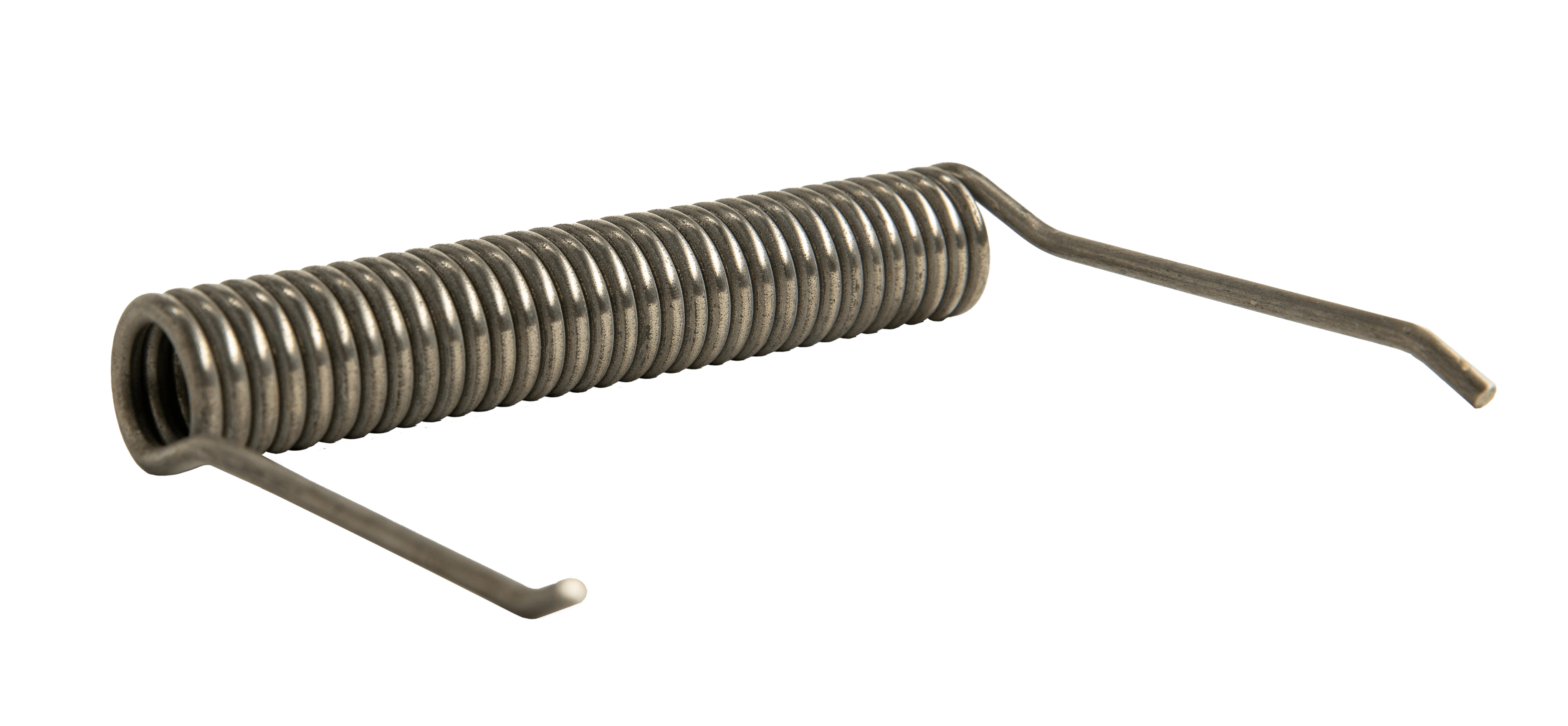
How Do You Specify Torsion Springs for Server Rack Hinges?
“I need a torsion spring for a rack door hinge — what do I actually have to give a spring manufacturer to get back an accurate quote instead of three ro..
read more
What Custom Spring Material Is Best for High-Humidity Data Centers?
“We’re specifying springs for equipment that sees high ambient humidity — coastal site, cooling tower deck, whatever — what material actually ho..
read more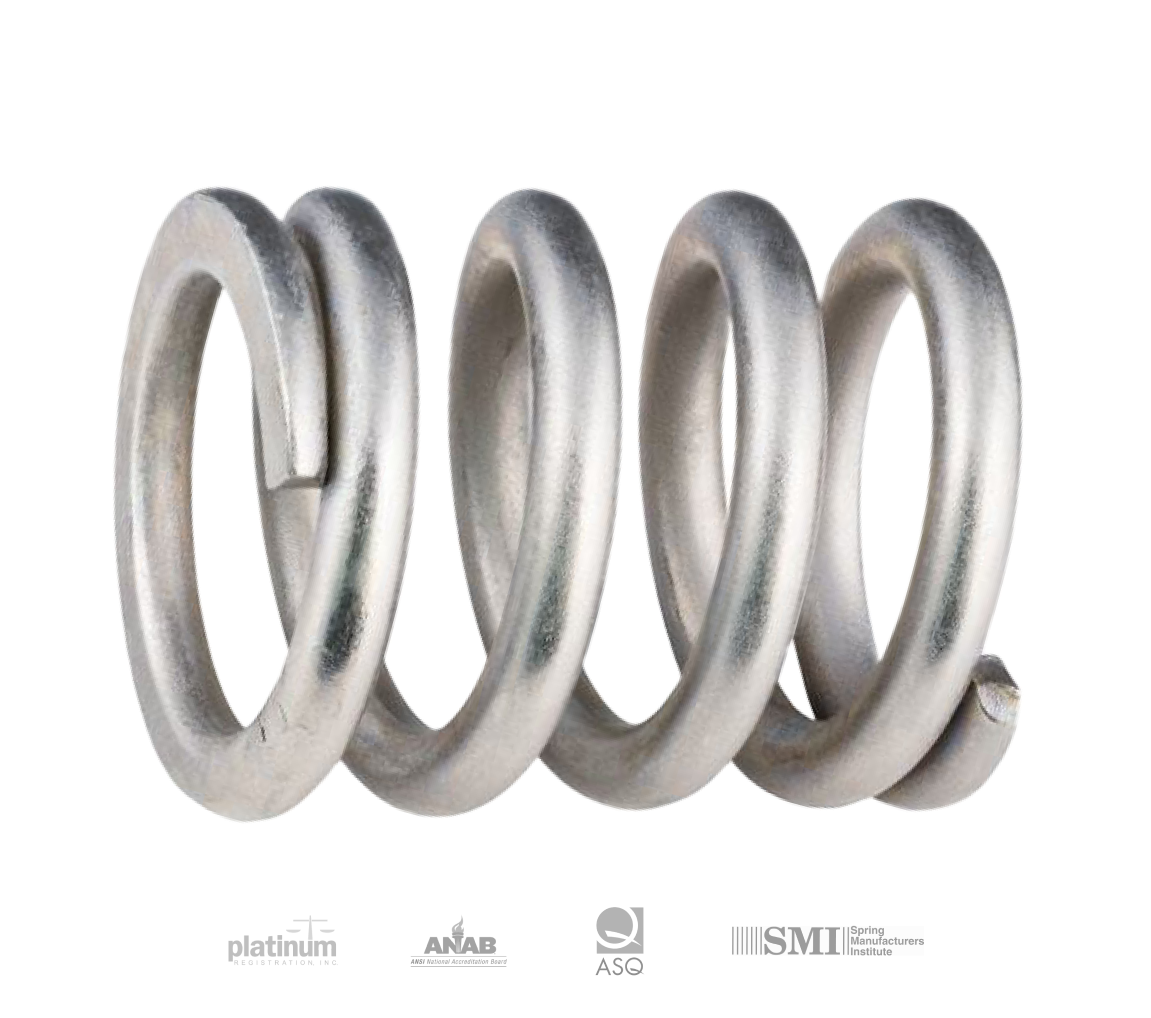
Choosing the Right Spring Isolator: The Questions That Prevent Costly Design Changes Later
Selecting a spring isolator might seem like a small decision, but choosing the wrong one creates problems that surface late in a project. An undersized isolator..
read more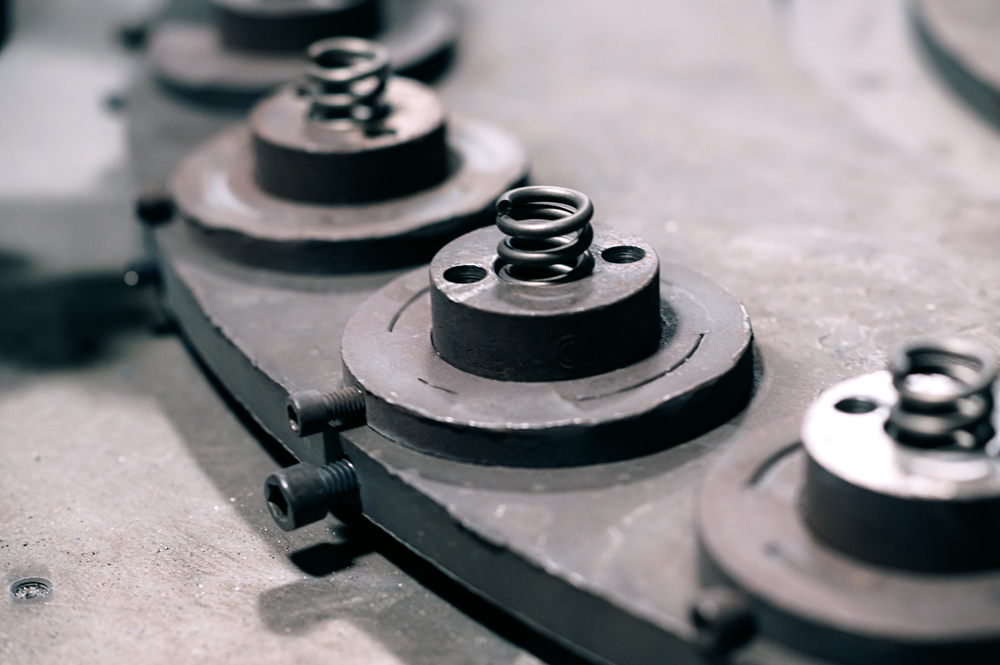
Celebrating 25 years of precision
quality + precision for over 25 years.
For over two decades we have delivered quality products made to the specifications of our customers. Our customers’ success is at the forefront, meaning every details matters to Katy Spring.
we serve a wide range of industries & product types
join us at an upcoming event