"We're specifying springs for equipment that sees high ambient humidity — coastal site, cooling tower deck, whatever — what material actually holds up, and is stainless overkill or not even enough?"
"Use stainless" isn't a wrong answer here, but it's an incomplete one. Stainless steel covers a range of grades with meaningfully different humidity performance, and in a few specific spots inside a data center, a plain stainless spec still fails. The material decision depends on where exactly the spring sits, what's touching it, and how close it runs to a heat source — not just the ambient number on a humidity gauge.
Start With the Number You're Actually Designing Around
ASHRAE's general guidance allows relative humidity anywhere from 20% to 80% for IT equipment, but that range assumes a controlled hall. Once corrosion is a real concern — a coastal site, an older facility without tight humidity control, equipment near an air intake — the guidance tightens considerably: keep the upper limit under 60% RH, and closer to 50% where copper and silver components are present. Dew point matters as much as relative humidity, because condensation, not humidity alone, is what actually corrodes a spring. A spring specified for "high humidity" without a target RH and dew point range attached isn't really specified yet.
Not All Stainless Is the Same Spring
302 stainless (the common ASTM A313 grade) handles routine indoor exposure well and costs less, but it's a general-purpose grade, not a corrosion specialist. 316 stainless adds molybdenum, which measurably improves resistance to chlorides and sustained moisture — the difference that matters for coastal air, cooling tower drift, or any site where humidity carries salt. The trade-off: 316 has somewhat lower tensile strength than 302, so a direct swap sometimes needs a larger wire diameter or a geometry adjustment to hit the same spring rate. That's a design conversation, not a substitution you make after the fact.
Where Phosphor Bronze Actually Wins
If the spring is doing double duty — EMI shielding fingerstock, a grounding contact, a battery contact spring — phosphor bronze deserves a look before stainless. It forms its own protective oxide layer that blocks moisture and oxygen, holds up well in humid conditions, and does something stainless can't: carry current efficiently. For a purely structural or retention spring, stainless is usually the simpler call. For anything with an electrical function in a humid enclosure, phosphor bronze is worth pricing out specifically.
The Failure Mode Most Specs Miss: What the Spring Is Touching
A spring rarely fails in isolation — it fails at the point of contact with another metal. Galvanic corrosion needs three things: two metals with different corrosion potential, direct contact, and an electrolyte connecting them. In a humid environment, condensation is that electrolyte. A stainless spring seated against a plain carbon-steel bracket, with humidity cycling through the enclosure, sets up exactly the conditions for accelerated corrosion at the bracket — often faster than either metal would corrode alone, especially if the bracket is small relative to the spring. The fix is matching the spring and its hardware to a comparable corrosion class, not just upgrading the spring and leaving everything it touches unspecified.
A Risk Worth Naming Correctly, Not Overstating
Chloride stress corrosion cracking is real for austenitic stainless (302, 304, 316) under sustained tensile stress — which describes a loaded spring — but it typically needs surface temperatures above roughly 60°C to become a practical concern in continuous exposure. A well-controlled data center hall at ASHRAE-recommended temperatures doesn't get there. The actual risk shows up at the exceptions: springs mounted near a heat sink or power supply, or in outdoor-adjacent equipment like rooftop condensers, where a hot surface plus humidity swings can locally concentrate moisture well past the bulk RH reading. That's a specific installation detail worth flagging to your spring supplier, not a reason to over-spec every spring in the building.
Passivation Closes the Gap, Whatever Grade You Choose
Whichever stainless grade fits the application, passivation — an acid treatment that strips surface iron and lets the chromium in the steel form a stable oxide layer — adds a real, measurable margin against atmospheric corrosion on top of the base material. It's a relatively low-cost step worth specifying by default on any spring going into a humid enclosure, rather than treating it as an upgrade reserved for marine or medical parts.
What to Tell Your Spring Supplier
A quote that actually accounts for humidity needs more than "corrosion resistant." Specify the expected RH range and whether the location sees condensation cycling, what metal the spring contacts at each end, proximity to any heat source, and whether an electrical function is required alongside the mechanical one.
Frequently Asked Questions
Is 316 stainless always better than 302 for data center springs?
For humidity and chloride exposure, yes — but 316's lower tensile strength can mean a larger wire diameter to match 302's spring rate. It's a design trade, not a straight upgrade.
Can phosphor bronze replace stainless steel in a humid data center?
For a spring that also needs to conduct electricity — EMI fingerstock, a grounding or battery contact — phosphor bronze is often the better fit. For a purely structural spring, stainless is usually simpler and just as effective.
Does high humidity alone cause spring failure, or does it need another metal present?
Humidity alone causes atmospheric corrosion over time. Galvanic corrosion — usually the faster, more localized failure — needs a second, dissimilar metal in contact plus condensation acting as the electrolyte.
Do I need to worry about stress corrosion cracking in a normal data center hall?
Generally not at ASHRAE-recommended operating temperatures. The real exposure is at hot spots — near heat sinks, power supplies, or outdoor-adjacent equipment — where surface temperature and humidity swings can exceed what the ambient reading suggests.

Leaders in
custom springs
With all of the ways to communicate (email, text, and fax), we still love phone calls! Call us at 281-391-1888 or contact us online. Follow us on Twitter or Facebook and keep up with the latest on industry news, changes in the raw material market, company news, and other valuable information that will assist you.
Katy Spring
Partners in Precision
related blog posts
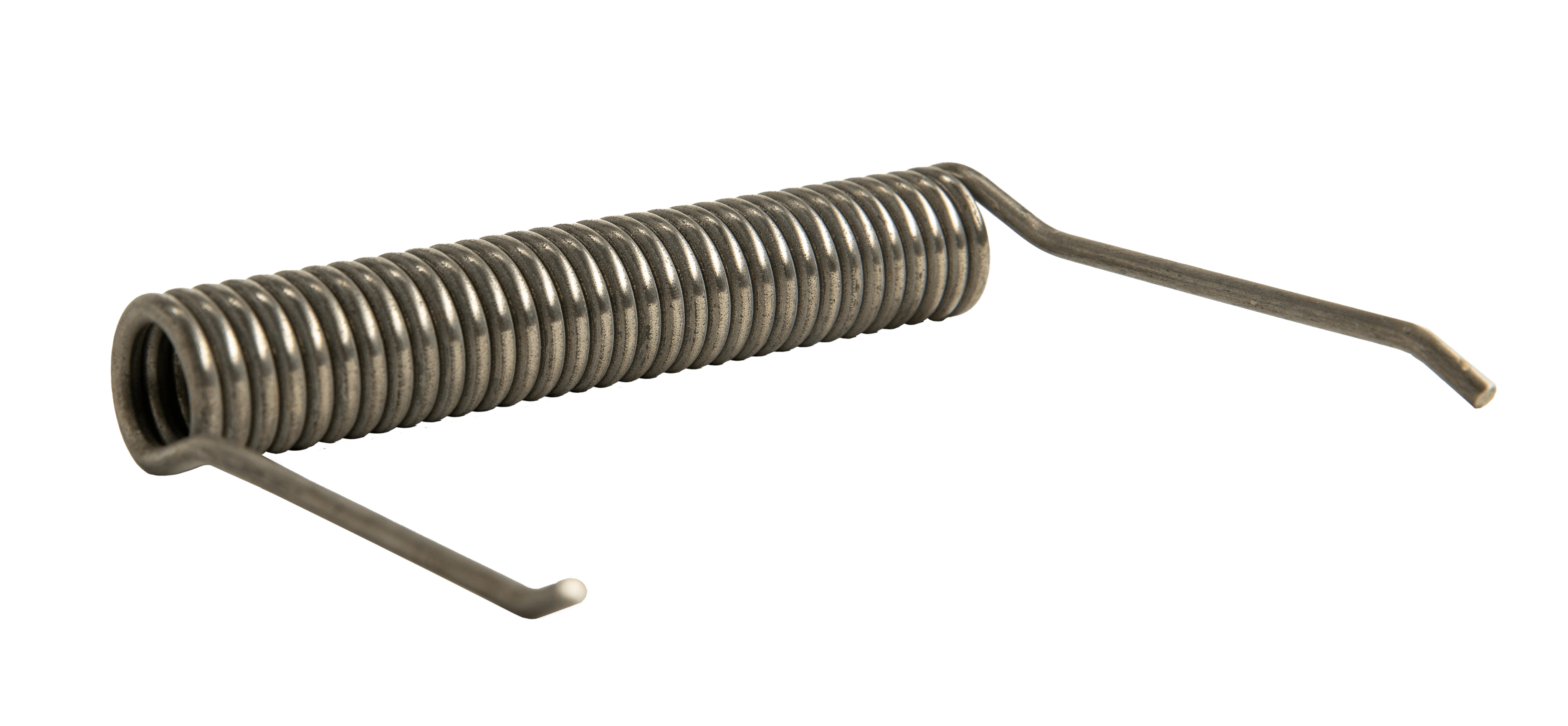
How Do You Specify Torsion Springs for Server Rack Hinges?
“I need a torsion spring for a rack door hinge — what do I actually have to give a spring manufacturer to get back an accurate quote instead of three ro..
read more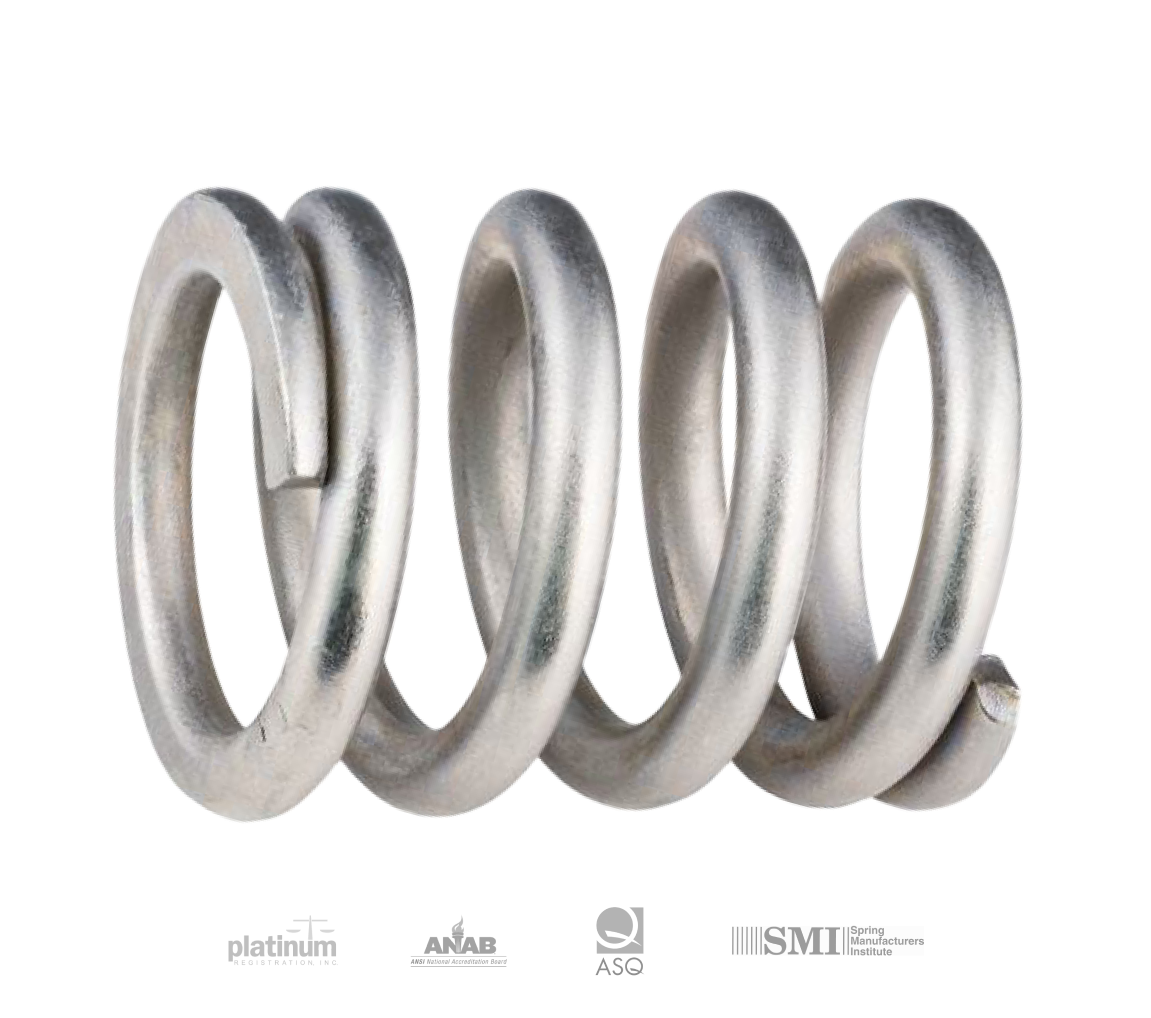
Choosing the Right Spring Isolator: The Questions That Prevent Costly Design Changes Later
Selecting a spring isolator might seem like a small decision, but choosing the wrong one creates problems that surface late in a project. An undersized isolator..
read more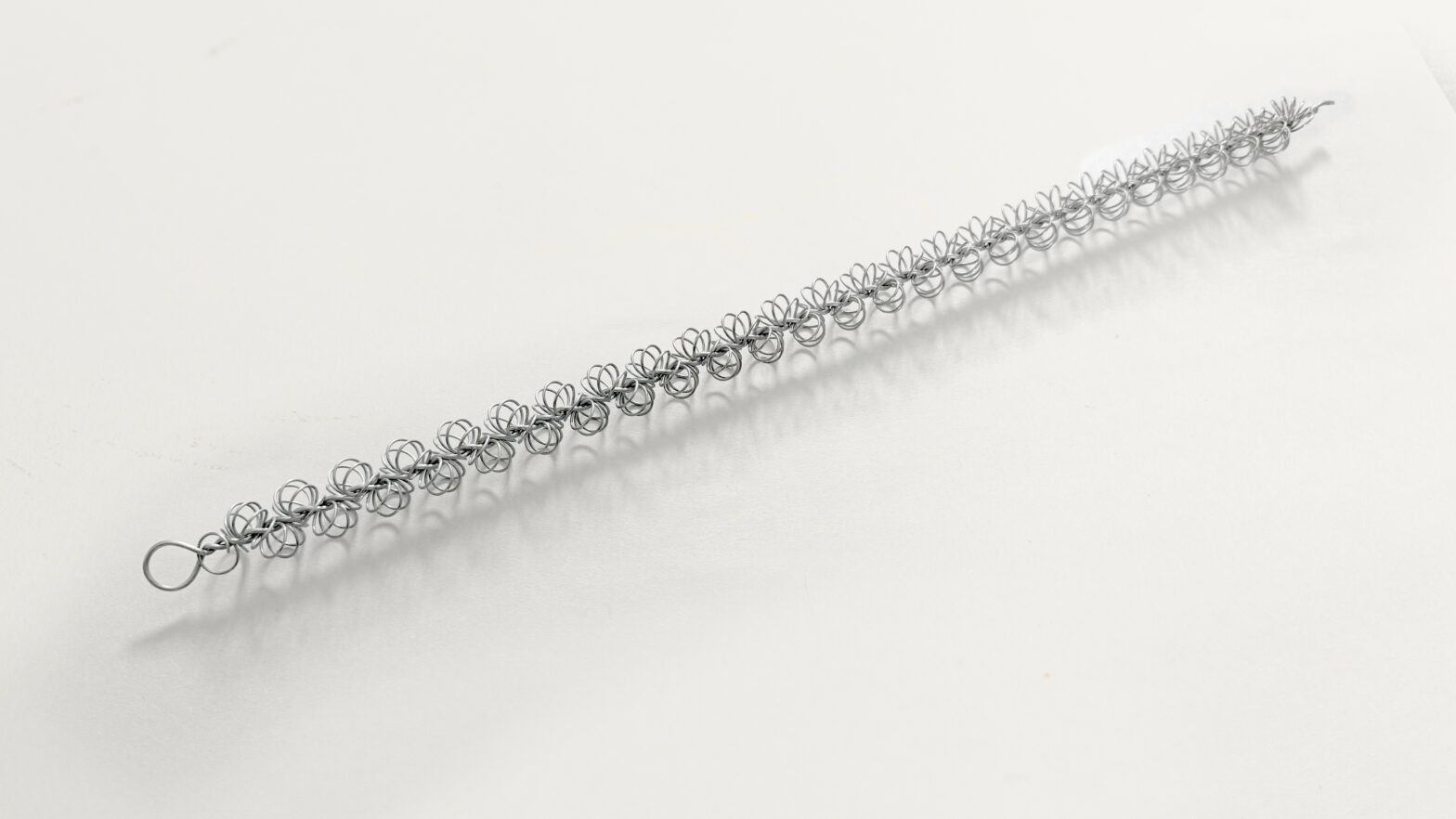
Why Custom Springs for Data Centers Should Never Be Treated as a Standard Component
A custom spring is a specification commitment, not a manufacturing method. Once a part is custom, treating it like an interchangeable stock item, with no materi..
read more
Celebrating 25 years of precision
quality + precision for over 25 years.
For over two decades we have delivered quality products made to the specifications of our customers. Our customers’ success is at the forefront, meaning every details matters to Katy Spring.
we serve a wide range of industries & product types
join us at an upcoming event